

What is Medical Tourism?
Medical tourism is redefining what it means to take a health-related trip. It’s about empowerment and options.

What is Medical Tourism?
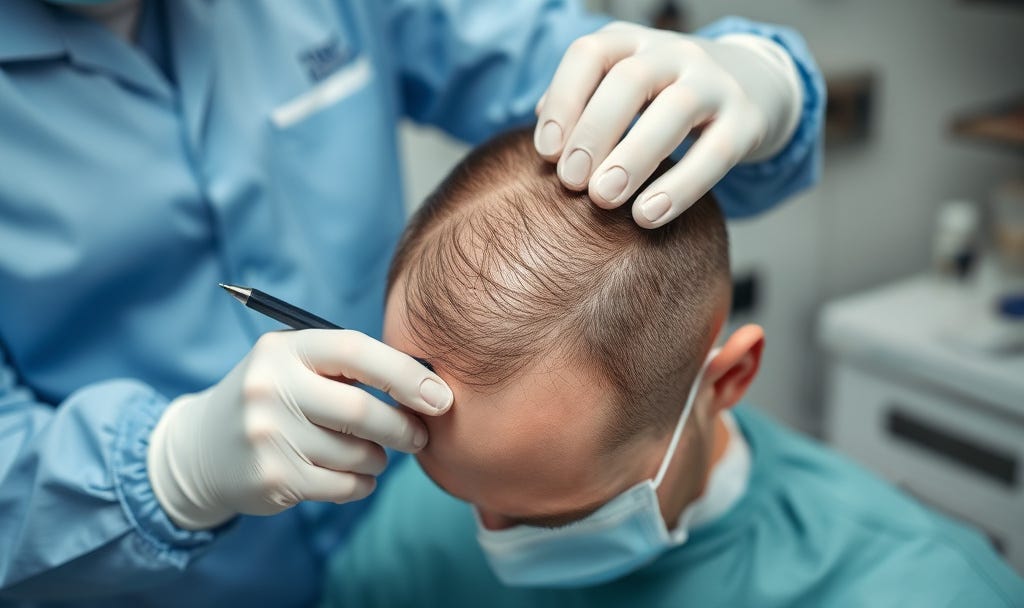
Picture this: You board a plane not just for a vacation, but also for a wellness upgrade. Medical tourism basically means traveling abroad to receive medical care or wellness treatments, often at lower cost or with added convenience. Instead of settling for local options, health-savvy people (like many 40+ professionals) are flying out to get everything from check-ups to surgeries – and enjoying a trip while they’re at it. It’s healthcare meets holiday.
A Rapidly Growing Global Trend
Medical and wellness tourism has exploded in recent years. How big is it? The global wellness tourism industry is projected to hit around $1.35 trillion by 2028, more than double its size in 2022. This boom is driven by travelers seeking better value and unique treatments overseas. In fact, millions of people per year hop on planes for medical reasons. They might be avoiding long wait times at home, looking for cutting-edge therapies, or simply combining a health fix with some R&R. It’s become so normal that entire countries now gear their hospitals and clinics to welcome international patients.
Why Thailand Stands Out
When it comes to medical tourism, Thailand often tops the list of destinations. The country has established itself as a global leader in healthcare tourism, combining advanced medical treatments with its reputation as a world-class vacation spot. In 2023 alone, Thailand treated roughly 2.9 million international health travelers, generating around $850 million in revenue. What’s the draw? Thai private hospitals (like the famous Bumrungrad in Bangkok) offer Western-quality care – state-of-the-art facilities and highly qualified doctors – but at a fraction of the cost. Whether you need a knee surgery or a full physical work-up, chances are you can get it done in Thailand for much less than back home, without sacrificing quality.
Equally appealing is the recovery environment. Many Thai hospitals and clinics cater to foreigners with concierge services, English-speaking staff, and even luxury recovery suites. You can get your procedure and then recuperate on a tropical beach or in a five-star wellness resort. For example, Thailand has many top-notch hair transplant clinics in Bangkok and Phuket, and one perk is you can combine your surgery with a great vacation in paradise. The same goes for other treatments – you might schedule a morning dental implant appointment and spend the afternoon touring a temple or lounging by the pool. It’s this blend of affordable care plus a travel experience that makes Thailand and similar destinations so attractive.
Treatments People Seek Abroad
What kind of procedures do travelers go for? Virtually anything you can imagine, especially elective or non-emergency services. Some of the most common are:
Cosmetic surgeries: e.g. facelifts, tummy tucks, nose jobs, and hair restoration transplants. Many “medical tourists” turn a cosmetic procedure into a vacation package at a lower cost than at home.
Hormone and wellness therapies: e.g. testosterone replacement therapy (TRT) and other HRT for men and women looking to optimize vitality. (Thailand has emerged as a leading destination for hormone treatments with cutting-edge anti-aging clinics.)
Dental work: from cleanings and fillings to dental implants and veneers. Dental care is a huge driver of medical travel because prices can be 50-70% cheaper abroad.
Major surgeries and check-ups: including orthopedic surgeries (like hip or knee replacements), heart bypasses, bariatric (weight loss) surgery, fertility treatments (IVF), and even comprehensive lab workups or full-body health screenings. Many high-end hospitals offer “executive health check” packages for international patients.
In short, if there’s a medical service you need, there’s likely a country offering a high-quality version of it for less money or with more personalized care.
The Appeal of Medical Tourism
For our health-conscious 40+ gentleman with a keen interest in fitness, the appeal is clear. Imagine getting a midlife tune-up – say, a custom hormone optimization program or advanced longevity screening – done during a week in an exotic locale. You improve your health and get a change of scenery. Many patients also find they receive more attentive service abroad, as private hospitals compete to provide a great patient experience. Think VIP treatment: private hospital rooms that feel like hotel suites, no waiting lists, and doctors who have time to answer your questions. And afterwards, you’re not stuck at home recovering – you could be healing by a beach in Phuket or at a wellness retreat in Chiang Mai, which certainly beats bed rest in the winter back home.
Cost is another big factor. Even with airfare and hotel, patients often save money. For instance, complex surgeries or dental procedures can cost tens of thousands in the US, but only a third of that in places like Thailand, Mexico, or Turkey. That frees up budget to enjoy some leisure. It’s “surgery and a vacation” for less than the price of the surgery alone in one’s home country – a compelling proposition for those with disposable income looking to maximize health and lifestyle.
Staying Safe and Smart
Of course, embarking on medical tourism does require some homework and caution. The good news is that top destinations have excellent standards – Thailand alone has over 60 hospitals accredited by Joint Commission International (a global healthcare quality benchmark). This means many facilities are vetted for world-class safety and care. Still, it’s wise to choose accredited hospitals and experienced doctors and to read reviews from other international patients. Make sure to consult your home physician before you go, especially for major treatments, and have a plan for any necessary follow-up care once you return. Traveling abroad for healthcare also means understanding the local regulations and ensuring your procedure is legal and safe in that country. In short, do your due diligence: verify credentials, ask questions, and don’t be swayed by deals that seem too good to be true.
When done right, medical tourism can be incredibly positive. Countless patients report great outcomes – from successful surgeries to life-changing wellness improvements – all while enjoying the journey. With proper planning, the risks can be minimized and the experience can feel not much different from getting care at home, just with better views and maybe a coconut water in hand.
Bottom line: Medical tourism is redefining what it means to take a health-related trip. It’s about empowerment and options. For a busy professional keen on health optimization, it offers the chance to get high-quality, affordable medical care and decompress in a beautiful destination.
Whether you’re considering a cosmetic touch-up, hormone therapy in Bangkok, a dental makeover in Costa Rica, or a comprehensive check-up in a wellness resort, the world of medical tourism puts a wealth of health solutions at your fingertips. You might come back from vacation not just recharged, but literally healthier. And that’s a trip worth taking.