

The Rise of the “Optimization Patient”: Why Men 40+ Are Redefining Healthcare
The rise of the optimization-focused man over 40 is about taking control. It’s a rejection of fatalism about aging and a vote of confidence in science and self-discipline.

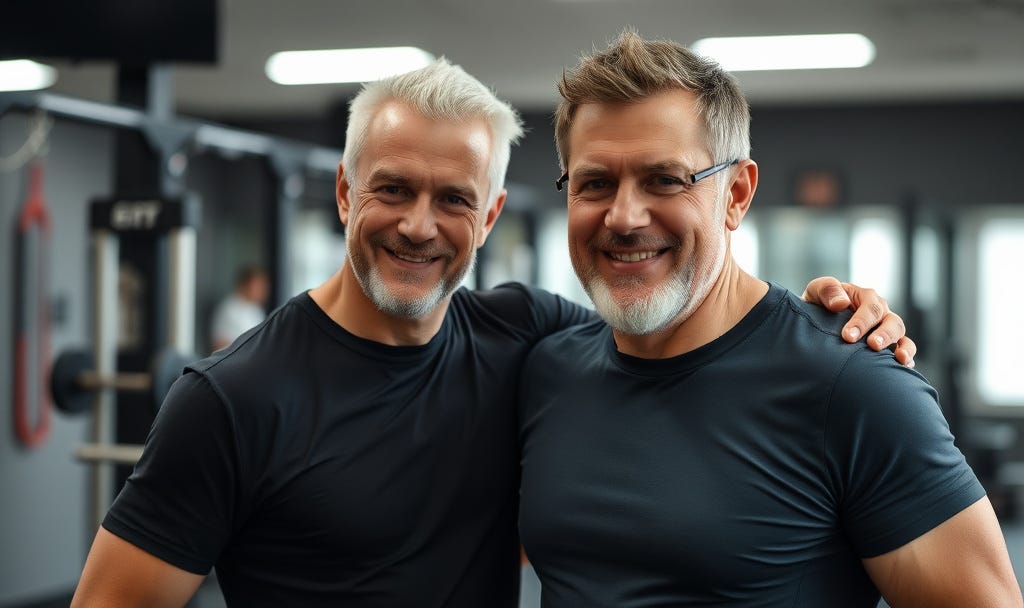
From Reactive to Proactive Healthcare
For generations, healthcare was largely reactive – you saw a doctor when something went wrong. Today, a new breed of mid-life patients is turning that model on its head. These individuals (often high-performing men in their 40s and 50s) are proactively optimizing their health long before illness strikes. They treat their bodies like high-performance machines, fine-tuning every metric from blood pressure to body fat. Annual “executive” check-ups, continuous wellness monitoring, and preventative interventions have become the norm for them. In essence, they aim to maximize healthspan (years of healthy, high-functioning life), not just lifespan. This shift from fixing problems to optimizing performance marks a fundamental change – one that is quietly redefining modern healthcare.
Meet the High-Performance 40+ Male Patient
Who are these proactive patients? Typically, they are ambitious men in their 40s and beyond – executives, entrepreneurs, athletes, and other high achievers – who apply the same optimization mindset to their health as they do to business or sports. Psychologically, they are driven by a blend of competitive edge and longevity goals. They’re not content with “aging gracefully”; they want to engineer middle age to feel like their prime. This means investing in everything that can keep them strong, sharp, and youthful. Many openly monitor their biometrics (from VO2 max to hormone levels) and use data to adjust their training or diet. They view interventions like hormone therapy, advanced supplements, or specialized diets not as vanity, but as strategic tools to extend their peak performance years.
One clear example is the boom in testosterone optimization. Testosterone Replacement Therapy (TRT), once a niche treatment, has surged in use among middle-aged men. In fact, men aged 40–49 have seen the highest spike in TRT use – a study found a 4.24-fold increase in that age group over a recent decade. Physicians and patients alike have broadened the definition of “low T,” making more men eligible for therapy and fueling rapid growth in prescriptions. By the early 2010s, roughly 80% of all prescription testosterone users were men between 40 and 74. The motivations are clear: improved energy, muscle mass, mood, and sexual function – essentially, maintaining the vitality of youth. For the 45-year-old executive who wants to crush 5am workouts and long work days, optimizing testosterone and other hormones can seem like a logical step. This proactive ethos extends to regular screening of cardiovascular health, metabolic markers, and even early cancer detection – all part of staying ahead of problems. The “optimization patient” doesn’t wait to become a cardiac patient or diabetic; he’d rather tweak his lifestyle and biochemistry now to prevent ever getting there.
Strength, Hormones and Vitality as Assets
For these men, physical strength and vitality are not just personal goals but professional assets. They equate being in peak shape with having an edge in the boardroom and the bedroom. Many in this demographic structure their week around strength training sessions, recovery routines, and monitored nutrition plans much as they would important business meetings. It’s common to see men in their 40s hiring personal trainers or strength coaches, and using wearable tech to track sleep quality, heart rate variability, and calorie burn. The mindset: you can’t manage what you don’t measure. By tracking metrics, they iterate on their regimen for continuous improvement, whether it’s shaving minutes off a marathon time or keeping up with peers on a long hike.
Hormonal health is a particularly hot topic. Beyond TRT, there’s attention to growth hormone, thyroid, and vitamin D levels – essentially any deficiency that could sap performance. This generation of men has largely shed the stigma around such treatments. They consult longevity clinics for personalized hormone balancing or peptide therapies, viewing it as a modern extension of self-care. Of course, this proactive approach is done with medical oversight: baseline lab work, periodic blood tests, and physician guidance are all part of the plan. The result is a new doctor-patient dynamic – more collaborative, data-driven, and focused on optimization rather than just treating disease.
Investing in Youthful Appearance and Longevity
It’s not only about internal health; appearance and youthfulness are also being actively managed by men 40+. In an era where looking fit and vigorous can influence professional and social opportunities, these men are increasingly willing to pursue aesthetic and regenerative treatments that previous generations might have shunned. There’s a notable psychology shift at play: addressing hair loss or aging signs is seen as maintaining confidence and competitive presence, not vanity. The numbers bear this out. Cosmetic and anti-aging procedures among men have climbed steadily – recent statistics show male aesthetic treatments growing at double-digit rates year-over-year, with minimally invasive procedures (like Botox or skin lasers) leading the way. The old taboo about men “getting work done” is disappearing fast. In 2018, over 1.3 million cosmetic procedures were performed on men in the U.S., a 29% increase since 2000, and that trend has only accelerated. Clearly, the modern midlife man is not afraid to invest in looking as young as he feels.
Perhaps the most emblematic example is the hair transplant boom. Balding has long been a sore point for aging men, and now many are proactively solving it. The global hair restoration industry is exploding – hair transplantation was a $6.3 billion market in 2023 and is projected to reach about $42.5 billion by 2033, an astounding growth trajectory (over 6x growth) with ~21% annual CAGR. In other words, the world will spend tens of billions on regrowing hair, and men make up the bulk of that demand. This willingness to undergo a surgical procedure (or series of procedures) for cosmetic benefit underscores the new mindset. It helps that techniques have improved (e.g. minimally scarring FUE transplants) and social acceptance is higher. By 2019, over 2 million people sought treatment for hair loss globally (surgical or medical), and 85% of surgical patients were men. Surveys show the top reasons men cite for hair restoration are social and professional confidence – aligning perfectly with the profile of a high-performing 45-year-old who wants to look as dynamic as he feels. Notably, many are even willing to travel abroad for these procedures. Medical tourism for cosmetic enhancement is surging, with patients from the US, UK, and Australia flying to hubs like Turkey, Mexico – and indeed Thailand – to get quality hair transplants or cosmetic surgeries at a fraction of the cost back home. This globalizes the optimization trend: a determined patient will seek out the best value and expertise, wherever it may be.
Beyond hair, midlife men are exploring a gamut of longevity-focused interventions: from stem-cell therapies and exosome infusions to cutting-edge supplements (NAD+ boosters, metformin, collagen) that promise anti-aging benefits. They read longevity research and follow prominent doctors or biohackers for the latest tips. It’s a discerning crowd; snake oil tends to be called out quickly, and evidence (even if preliminary) is prized. The common thread is maximizing long-term healthspan – maintaining muscle, cognitive sharpness, and sexual health well into older age. While some of these interventions are still experimental, the demand is pushing the medical community to pay attention. Clinics now offer “male optimization” packages, and forward-thinking physicians specialize in preventive men’s health as a discipline of its own.
Why Thailand? A Wellness Ecosystem for Midlife Health
Interestingly, this trend of proactive health optimization has a geographic dimension. Thailand has emerged as a unique hub catering to the 40+ male looking to upgrade his health. On the surface, Thailand might seem like just a holiday destination with nice beaches – but it’s become much more: a wellness ecosystem that interweaves lifestyle, fitness, and medical care in an appealing package. In places like Hua Hin and Jomtien, one can observe this ecosystem in action. Hua Hin, for instance, has evolved into a wellness and fitness enclave, blending modern gyms, outdoor activities, and spa retreats amid a seaside environment. The town now boasts a wide range of fitness centers, outdoor bootcamps, yoga studios, and even healthy dining spots focused on nutrition. This once-sleepy coastal retreat is now a hub for fitness enthusiasts and wellness seekers, with ample ways to stay active and healthy year-round. Health-focused expats and locals alike have driven a surge in new gyms and training facilities – Hua Hin has seen a boom in modern fitness centers catering to both foreigners and Thais, with affordable, accessible options for all levels. It’s not uncommon to start the day with a run on the beach or a kite-surfing session, followed by a rejuvenating Thai massage or meditation class in the afternoon. The integrated lifestyle – sun, exercise, relaxation, and good healthcare – is exactly what many of these mid-career men are looking for.
Jomtien, a beach district on Thailand’s Eastern Seaboard, offers a similar mix. Known historically as a retiree and expat friendly area, Jomtien has quietly built up a network of wellness-oriented amenities. Within a few kilometers, one might find an anti-aging clinic for blood tests and IV drips, a strength & conditioning gym run by professional trainers, and a healthy café serving protein smoothies and vegetarian bowls. This clustered convenience means a health-oriented individual can cover all bases in one locale: morning gym, afternoon check-up, evening seaside walk. Such towns effectively become “health campuses” for foreigners – something hard to replicate in more car-dependent Western settings. Moreover, Thailand’s famed hospitality and service culture extend to healthcare and fitness. It’s not unusual for a personal trainer, nutritionist, and medical doctor to coordinate on a client’s program, providing a concierge-level experience at a fraction of Western costs. The affordability is a big draw: advanced scans or blood panels that might cost a fortune in the US can be done in Bangkok or Pattaya for much less, and often with no wait times.
Thailand’s government and private sector have also leaned into this trend. The country is a global leader in wellness tourism, with official strategies to promote medical and wellness travel. Even after the pandemic slump, Thailand’s wellness economy came roaring back – the market grew from $31.6 billion in 2022 to $40.5 billion in 2023, a 28.4% leap. Wellness tourism in particular saw a truly remarkable rebound, jumping 119.5% in one year as health-conscious travelers returned. This includes people flying in for detox retreats, metabolic check-ups, and comprehensive wellness holidays. Industry reports note that most of this revenue comes from international visitors, many of them so-called “secondary wellness travelers” – tourists on regular vacations who also partake in wellness activities. However, a growing segment are primary wellness travelers: those who visit specifically for health and fitness purposes. Thailand’s edge is that it can offer both high-tech medical services (world-class hospitals in Bangkok or Phuket) and holistic healing experiences (think mountain meditation retreats or island yoga seminars) in one trip.
Crucially, the infrastructure is adapting to serve this demographic. Upscale resorts are partnering with medical providers to create integrated wellness centers. For example, luxury hotel spas are evolving into full-scale health destinations – one notable partnership has a major hospital group teaming up with a five-star resort, bringing medical expertise into a vacation setting. And it’s not just top-end resorts; even mid-range establishments in places like Chiang Mai or Koh Samui advertise packages that bundle accommodation with fitness classes, diet consultations, and massage therapies. Industry experts are encouraging exactly this kind of integration – advising operators to offer long-stay packages and multi-day retreats that combine spa treatments, nutrition plans, exercise, and medical check-ups in one seamless experience. The logic is simple: today’s health-focused consumer wants convenience and comprehensive care. Thailand is uniquely poised to deliver that, given its breadth of wellness offerings and the cultural integration of traditional and modern medicine (imagine getting an herbal Thai therapy and a state-of-the-art heart scan in the same trip). It’s no surprise that over the past two years, 40–50% of Thai spa and wellness businesses have reported an uptick in clients seeking health-oriented services, rather than just pampering.
Finally, Thailand’s quality-of-life allure plays a role. For a 50-year-old professional from, say, London or Sydney, relocating (even temporarily) to Thailand can be very attractive: lower cost of living, warm climate, healthy cuisine, and a built-in community of like-minded expats. Communities in Hua Hin, Chiang Mai, Phuket and others are known for offering an active, social lifestyle for foreign residents, complete with golf clubs, cycling groups, and access to top-tier hospitals. In this way, Thailand isn’t just where you go for a check-up – it’s a place you can live the optimized life day in and day out. That immersive wellness lifestyle is hard to reproduce in many home countries, and it’s a key reason Thailand has become a magnet for the optimization-minded.
Tiger Health: An Integrated Model for the Future
One initiative that exemplifies this evolution in healthcare is Tiger Health in Thailand. Best described as a hybrid between a high-performance training center and a medical clinic, Tiger Health serves as a lens into what the future of proactive, lifestyle-integrated healthcare might look like. The concept is straightforward but powerful: combine training, diagnostics, and personalized transformation in a single, immersive program. In practice, this means a client at Tiger Health might start their journey with a full spectrum diagnostic workup – blood panels, hormone levels, body composition scans, VO2 max and strength assessments – to establish a data-driven baseline. From there, professional coaches and physicians collaborate to design a tailored regimen encompassing gym training, nutrition, and any needed medical interventions (perhaps TRT, supplements, or physical therapy). Over weeks and months, the client isn’t just hitting the gym; they’re continuously monitored and guided through a holistic transformation that targets their specific goals (be it fat loss, muscle gain, improved biomarkers, or all of the above). Regular check-ins with medical staff ensure that internal health markers (cholesterol, inflammation, testosterone, etc.) improve in tandem with external fitness. In essence, Tiger Health’s model blurs the line between a wellness retreat, a clinic, and a personal training studio – it’s all of those at once, embedded in one’s daily life. This approach echoes the broader industry call for bundled wellness experiences, but goes a step further by making it a lifestyle rather than a one-off retreat.
Importantly, Tiger Health (and similar concepts emerging globally) speaks to the needs of the metrics-driven, time-crunched professional. Rather than managing a separate doctor, nutritionist, gym, and possibly therapist, the client has an integrated team under one “roof” communicating with each other. It’s efficient and outcomes-focused. Progress is tracked not just in pounds or inches, but in lab results and functional metrics – exactly the kind of feedback that optimization-minded individuals crave. The tone is analytical and precise: one’s health “dashboard” might show improvements in resting heart rate, testosterone levels, and squat strength all at once. This appeals greatly to those who view self-improvement through the lens of data and ROI (return on investment). Why spend years blindly exercising or dieting, when a coordinated program with medical insight can accelerate results in a measurable way? That proposition resonates with the 50-year-old entrepreneur who treats his health like he would a business project.
While Tiger Health is a single example, it encapsulates a broader trend: healthcare moving toward a preventive, performance-oriented paradigm. We see echoes of this in concierge medicine practices in the U.S., in Europe’s luxury medical spas, and in the rise of “biohacking” communities worldwide. The key innovation is integration – breaking down silos between gyms and clinics, between wellness and medicine. For the patient, it means a one-stop journey to feeling better and tracking tangible results. For healthcare providers, it may well be a glimpse into the future of their industry, where success is measured not just by disease avoidance but by enhancement of quality of life.
A New Era of Self-Directed Healthcare
The rise of the “optimization patient” signals a profound shift in both mindset and practice. Men in their 40s, 50s, and beyond are redefining what it means to be a patient – not a passive recipient of care, but an active driver of health outcomes. They bring an engineer’s approach to aging: test, tweak, improve. In doing so, they are blurring the traditional boundaries between fitness, medicine, and daily living. Healthcare is no longer confined to the hospital or doctor’s office; it’s woven into morning routines, travel plans, and even choices of where to live (as Thailand’s example shows). This evolution is backed by hard metrics – from the explosion in TRT prescriptions and wellness tourism dollars to the growth of cosmetic and hair restoration markets – but it’s also fueled by a cultural change. There is a growing acceptance (even expectation) that midlife can be optimized, that one’s 40s and 50s are a second youth rather than the beginning of decline.
For physicians and health providers, this demographic presents both a challenge and an opportunity. The challenge is adapting to patients who demand hard data, personalized regimens, and proactive interventions – essentially, a more participatory form of medicine. The opportunity, however, is huge: engaged patients tend to have better outcomes, and they’re willing to invest time and resources into staying well. The ripple effects could benefit society at large, as these individuals remain productive and healthy longer, reducing the burden of chronic disease. We may also see traditional healthcare metrics shift – success might be measured in decades of vitality gained rather than diseases cured.
In the end, the rise of the optimization-focused man over 40 is about taking control. It’s a rejection of fatalism about aging and a vote of confidence in science and self-discipline. No doubt, there’s a balance to be struck – not every new therapy will pan out, and not everyone can live like a sponsored athlete. But the ethos of “no hype, no fluff – just results” is here to stay. It speaks to a generation of men who value precision and performance, and who are applying those values to their own bodies. As they do, they are quietly reshaping the landscape of healthcare. From the clinics of Bangkok to the gyms of California, the message is spreading: the best way to treat getting older is to get ahead of it. And in that shift, healthcare may become not just about adding years to life, but adding life to years – optimized, energized, and on their own terms.
Sources:
Rao et al., Journal of Urology – Trends in testosterone therapy use (40–49 age group saw a 4.24× increase).
Nguyen et al., Nat. Rev. Urol. – ~80% of prescription testosterone users are men 40–74.
Dr. Sean Hill, Lone Star Plastic Surgery – Male cosmetic procedures growing at double-digit rates yearly.
Cole, Forhair Clinic – Global hair transplant market $6.3 B (2023) to $42.5 B by 2033 (≈21% CAGR).
Bloxham, Feller Medical – Hair transplant industry $7.1 B (2023) to $18.9 B by 2030; medical tourism to Turkey, India, Thailand drives growth.
ISHRS 2020 Census – 2.0 M hair loss patients in 2019; 157% increase since 2008; 84% of surgical hair restoration patients are men.
Global Wellness Institute (2025) – Thailand #1 wellness market growth (28.4% from 2022→2023, $40.5 B market); wellness tourism revenues +119% in one year.
Thai Spa Association via Nation Thailand (2026) – 40–50% of operators report more health-focused tourists; call for bundled fitness-nutrition-medical retreat packages.
Manora Village Hua Hin (2025) – Hua Hin has become a wellness/fitness hub with modern gyms, outdoor activities and health-conscious culture, attracting expats and locals.