The Power of Reframing Exercise as Self-Care: Why Movement Is the Foundation of Resilient Health
Exercise does not ask you to escape life. It prepares you to engage with it fully. For men focused on performance, appearance, and healthspan, this is not a mindset shift. It is a strategic upgrade.

The real reason people start exercising
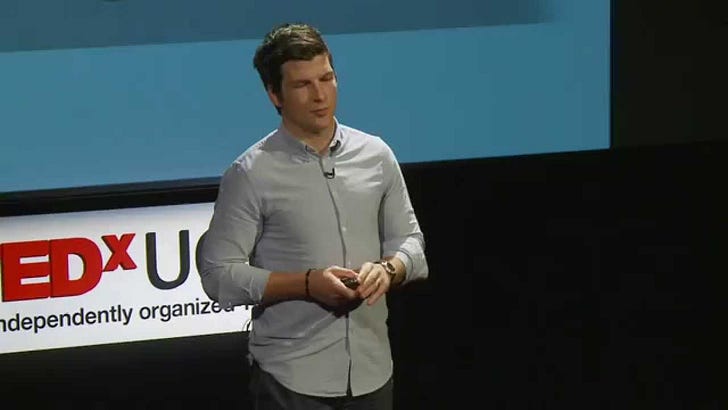
When Mike Stanlaw asks new gym members why they want to begin a fitness journey, the most common answer is not about aesthetics, competition, or revenge bodies. It is far simpler and far more revealing.
“It’s time to put myself first.”
That sentence captures something essential about modern life, especially for adults juggling careers, families, financial pressure, and constant cognitive load. Exercise is no longer just about getting fit. For many people, it represents the first deliberate act of self-respect they have taken in a long time.
From a Tiger Health perspective, this matters deeply. Men in midlife are not short on discipline or ambition. They are short on recovery, margin, and space to recalibrate. Exercise, when reframed correctly, becomes the most accessible form of daily self-maintenance.

Why self-care feels uncomfortable for high performers
One of the most striking admissions in the talk is that Stanlaw, a personal trainer, felt guilty exercising for himself. If he was not training clients, promoting the business, or handling logistics, he believed he was being selfish.
This mindset is common among driven professionals. Productivity becomes moralised. Rest and recovery feel indulgent. Self-care feels like weakness. Yet the irony is brutal. When Stanlaw stopped prioritising his own workouts, his energy dropped, his confidence faded, and resentment crept in. He was giving less to others precisely because he was giving nothing to himself.
Tiger Health exists to challenge this pattern. Performance without recovery is not strength. It is depletion with a deadline.
Exercise as the first domino
Stanlaw’s turning point was deceptively simple. He started his day with physical training, not as a fitness goal, but as a form of self-care. The effect was immediate. He was calmer, more present, more effective, and more patient.
This reflects a broader truth about physiology. Exercise regulates stress hormones, improves insulin sensitivity, increases dopamine and serotonin, enhances sleep quality, and improves cognitive flexibility. It does not remove stressors. It changes your capacity to handle them.
This distinction is critical. Exercise does not fix life. It fortifies you against it.
The five percent problem
One statistic Stanlaw cites should stop most people in their tracks. Only about five percent of Americans achieve the recommended minimum of 30 minutes of daily physical activity.
This is not a failure of knowledge. Everyone knows exercise is good for them. It is a failure of framing. When exercise is seen as punishment, obligation, or vanity, it becomes fragile. When it is framed as self-care, it becomes non-negotiable.
Tiger Health consistently emphasises this shift. Optimisation begins when behaviours are aligned with identity, not guilt.
Movement as mental health infrastructure
During the pandemic shutdowns, Stanlaw noticed something revealing. Members did not just miss the gym for physical reasons. They missed it for emotional survival. Anxiety, loneliness, fear, and depression surfaced rapidly when structured movement disappeared.
Exercise had been acting as a stabiliser, a pressure valve, and a source of routine. Remove it, and many people spiralled. This reinforces an important Tiger Health principle. Physical health is inseparable from mental resilience.
Movement is not a luxury. It is infrastructure for psychological stability.
Angela’s story: a slow slide, not a sudden collapse
The story of Angela is the emotional core of the talk. Once a marathon runner, highly engaged, energetic, and disciplined, she slowly drifted into burnout. Long work weeks led to chronic stress. Stress led to poor eating and drinking habits. That led to inactivity, overwhelm, and depression.
Nothing dramatic happened. No single failure. Just gradual erosion. She described herself as “surviving the weeks and living for the weekends”, a phrase that perfectly captures modern burnout.
This pattern is painfully common among Tiger Health’s target audience. Successful, capable individuals who look fine externally but are quietly decaying internally.
Self-care is not indulgence, it is interruption
Angela did not recover through a motivational speech. She recovered through structure. Increased training frequency. Gradual return to running. Food awareness. Yoga for nervous system regulation. Therapy for stress management. Social support.
What changed was not just her body, but her momentum. She interrupted the downward spiral with intentional self-care. Over time, the results compounded. Weight loss followed. Mental clarity returned. Confidence rebuilt.
This mirrors Tiger Health’s philosophy exactly. Health optimisation is not one intervention. It is coordinated alignment.
Why starting the day matters
One of the most practical insights in the talk is timing. You cannot pause life mid-crisis and inject self-care. Stress arrives uninvited. Children scream. Meetings overrun. Deadlines stack.
But you can start the day differently. Beginning the day with physical self-care creates a buffer. A physiological and psychological advantage. You do not eliminate chaos. You meet it with capacity.
For men balancing leadership, responsibility, and ageing bodies, this is not trivial. Morning movement sets hormonal tone, stabilises blood sugar, improves mood, and increases decision quality throughout the day.
Redefining self-care beyond clichés
Stanlaw challenges the stereotypical image of self-care as spa days and indulgence. The World Health Organization defines self-care as actions individuals take to maintain health and prevent illness. By that definition, exercise is not optional. It is foundational.
Physical self-care strengthens mental resilience, emotional regulation, and even spiritual grounding. Exercise trains discipline, patience, and self-trust. These qualities carry into every other domain of life.
Tiger Health frames this as healthspan engineering. The goal is not temporary relief. It is sustained capacity.
Exercise changes perception, not reality
Perhaps the most important line in the entire talk is this: exercise does not change external situations. It changes how we view them.
This is profoundly aligned with Tiger Health’s systems-based approach. You cannot control every stressor. You can control your internal state. Exercise enhances perspective, reduces emotional volatility, and improves problem-solving under pressure.
Angela’s comeback was not just physical. It was cognitive and emotional. She regained agency.
Consistency beats intensity
Stanlaw closes with a reminder that fitness results are not permanent. Like hygiene, they require repetition. Motivation fades. That is why systems matter more than inspiration.
“Get your 30” is not a slogan. It is a daily contract with yourself. Thirty minutes of movement as self-care, not punishment. A small daily win that compounds into identity-level change.
For Tiger Health, this is the message worth amplifying. Sustainable health is not built through extremes. It is built through consistent, intentional acts of self-respect.
Exercise as self-leadership
Reframing exercise as self-care reframes health as leadership. Leading yourself before leading others. Maintaining your instrument before pushing it harder.
Exercise does not ask you to escape life. It prepares you to engage with it fully. For men focused on performance, appearance, and healthspan, this is not a mindset shift. It is a strategic upgrade.